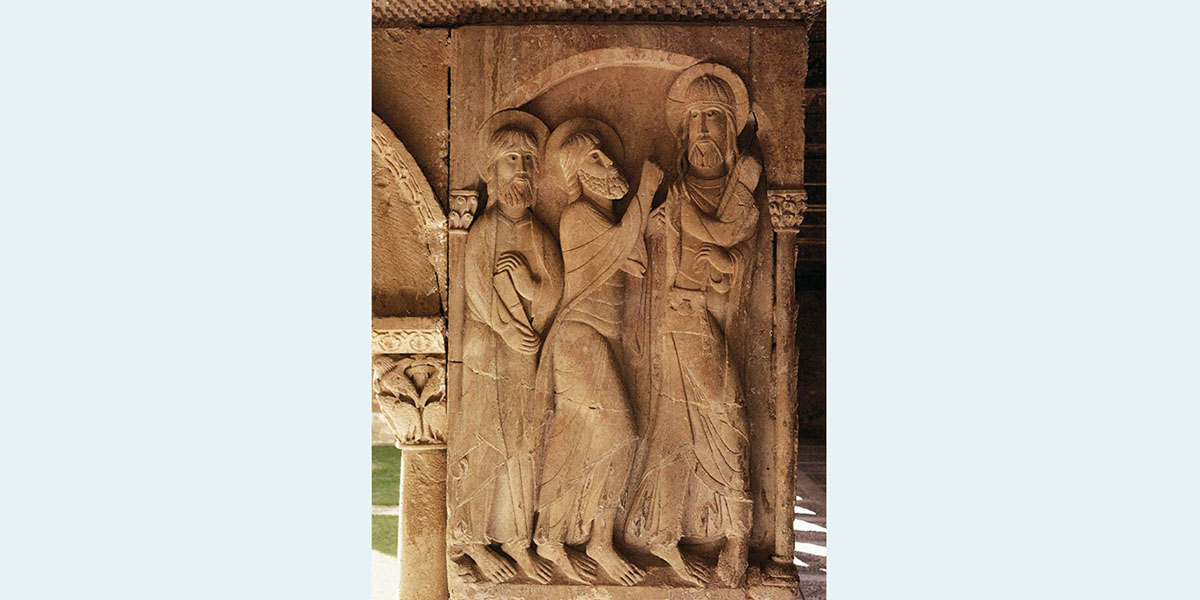
Description: Christ as a Pilgrim, by an unknown medieval sculptor working in stone c. 1150, found in the Monastery of Santo Domingo de Silos, Spain.
By Elizabeth king
THE PSALMS flow all around us, in the Offices of Morning and Evening Prayer, in the Introits, Graduals, and preparatory prayers of the Eucharist. The Gospels and Epistles are shot through with the Psalms like so many rays of light. They exceed our capacity for attention. They flow over our heads and into our hearts in mysterious ways, beyond the understanding, beyond control or self-conscious awareness. And yet, in the midst of that flow, you might find yourself dashed up against some verse, suddenly pierced, enlightened, convicted.
Henri Nouwen, discovering the psalms during a visit to a Trappist monastery, wrote in his diary: “Slowly these words enter into the centre of my heart. They are more than ideas, images, comparisons: They become a real presence.”
“The voice we hear in the Psalms,” says St Augustine, “is that sweet voice, so well known to the ears of the Church, the voice of our Lord Jesus Christ, the voice of the church toiling, sojourning upon earth.” Semper in ore psalmus, semper in corde Christus. Always a psalm in the mouth, always Christ in the heart.
Psalms 120–134, called variously the ‘songs of ascents’ or ‘the pilgrim psalms’, are eminently worth carrying close to the heart. They are named for their inscription. They may have been sung by Jewish pilgrims travelling to Jerusalem for the annual feasts of Passover, Booths or Weeks. And so, too, by Jesus, we may reasonably assume, in his goings up to Jerusalem.
Psalms 120-122 form a subset within the larger group, tracing the movement from exile to return in miniature. The psalmist moves through a landscape. Longing for peace, he leaves behind the place of violence and deceit, the “tents of Kedar” (120), journeys through the wilderness (121), and approaches Jerusalem itself (122). The images of physical pilgrimage in these first few psalms draw the psalmist toward an inner, moral landscape, and culminate in a cry for the peace of Jerusalem that wills the good of city and people: for my brethren and companions’ sakes…for the sake of the house of the Lord our God, I will seek to do thee good (122:8, 9).
The motion inward in these psalms is also a motion upward, and concerns the growth and ordering of love. It continues to unfold in the twelve remaining pilgrim psalms. We can roughly trace the outlines of this story by taking the psalms in groups of three.
In Psalms 123-125, the imagery continues to be inspired by the landscape, but there is a crucial move: Jerusalem becomes identified with all those who look to and place their complete trust in the Lord (125:1). This identification means that the physical pilgrimage achieved in Psalm 122 is meant to reshape the pilgrim at the core of his being, to conform his heart to the contours of that unified city that is both centred on and surrounded by the love of God.
In Psalms 126-128, the pilgrimage and its inward turn require a consideration of all the soul’s everyday activities – labour, childbearing, waking, sleeping – all these things are set before the Lord to be ordered by Him. Except the Lord build the house, their labour is but lost that build it (127:1).
St Benedict (480-547 AD) set Psalms 126-128 for the daily office of None, or mid-afternoon prayer (the first six pilgrim psalms are set for the little offices of Terce and Sext). This liturgical use of the psalms recognises their place in pilgrimage. Every day, every week and, indeed, the whole of life, is a pilgrimage. Pilgrimage requires that all the goings-out and comings-in of daily life be conformed to the pattern of ascent.
Psalms 129-131 involve, first, a final dismissal of as many as have evil will at Sion (129:5), then a thorough-going act of repentance that plunges the penitent into the very depths of his being to root out what separates him from the Almighty (130). Finally, all self-reproach is stilled in the image of the quiet trust of a child resting with his mother (131). This last psalm has often been linked to the mystery of the Incarnation (for instance, it features as the Gradual Psalm for the Feast of the Annunciation in the Book of Common Prayer).
The final triad, 132-134, concludes the pilgrimage with imagery of vigil and Sabbath rest. In Psalm 132, there is an approach of man to God and God to man through the Davidic covenant: we will go into his dwelling-place…arise, O LORD, into thy resting-place. And the Lord declares: [Sion] shall be my rest for ever. In this dialogue, St Benedict’s contemporary, Cassiodorus, hears Jesus speaking of his Passion, of his obedience to the Father in the accomplishment of the work of reconciliation of man to God.
The theme of vigil culminates in the last pilgrim psalm. Psalm 134 enters the midnight vigil of the saints, the vigil of unending praise. For Cassiodorus, Psalms 133 and 134 bring us to the very fullness of charity found in the life of God:
There is awakened in the course of the Lord’s praises that perfect charity than which nothing greater can be expressed, and nothing more splendid discovered.
Singing these fifteen psalms on the road to Jerusalem year by year, Christ sang of His Incarnation, His own humility and love, His Passion. Says Cassiodorus, “These steps are set on the path where the King Himself is known to have shown us the way to the Fatherland.” St Jerome likens these psalms to Jacob’s ladder, with the Lord stooping down from the top to pull the pilgrim up. They are now sung in His body, the sojourning Church.
In the Psalms of Ascent, then, we have a particularly precious gift from the Great Pilgrim, Jesus Christ, who is Himself the Way. TAP
Elizabeth King has a background in the liberal arts and classics. She lives in rural Nova Scotia with her husband Evan and three young children.
THE PSALMS flow all around us, in the Offices of Morning and Evening Prayer, in the Introits, Graduals, and preparatory prayers of the Eucharist. The Gospels and Epistles are shot through with the Psalms like so many rays of light. They exceed our capacity for attention.
continue reading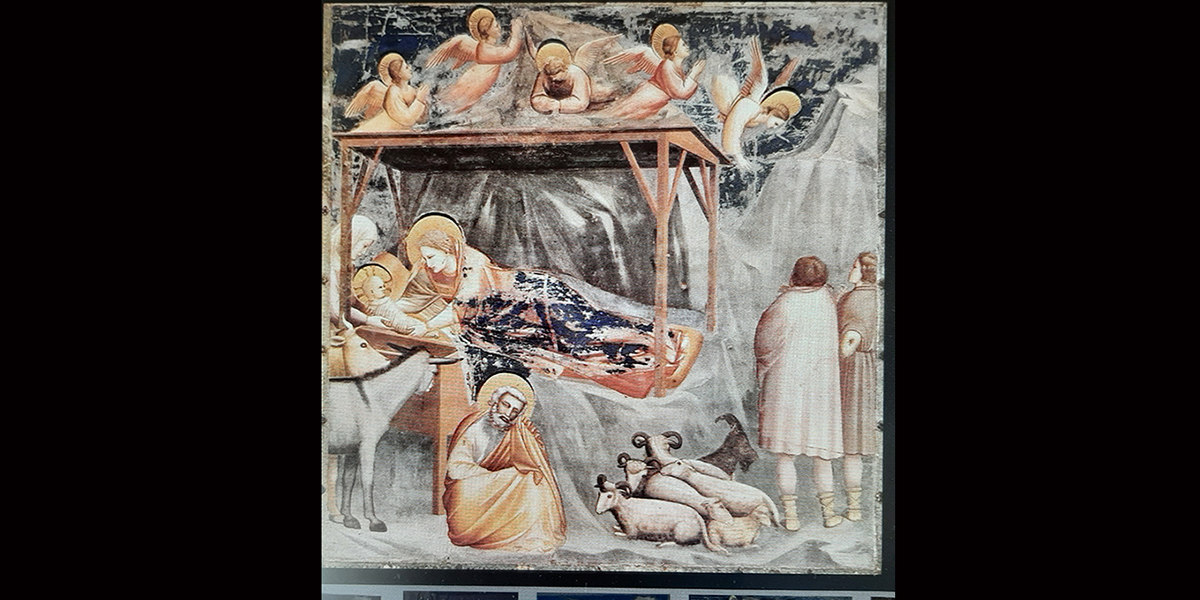
The first Christmas was a night of long journeys, closed doors, and unexpected visitors smelling of woodsmoke and sheep.
continue reading
AS WE WRAP up 2025, the TAP team is so grateful that you are reading our stories, sending us notes of encouragement, and helping us grow. Our switch to digital-only has gone more smoothly than expected, and we are doing our best to respond to those who have questions and concerns. We are excited to launch a digital campaign (soon!) to reach many more readers. And the new focus on our online platforms will allow us to update stories even more frequently than we had been doing in the past. As always, if you have thoughts about how we can better serve and encourage you, please email us at [email protected]. For technical and subscription issues, please email [email protected].
continue reading
IT IS A sobering season in Nigeria. On Feb. 4, Islamic extremists killed 177 villagers in Kwara State, mostly moderate Muslims, and 35 in Katsina State.
THE PSALMS flow all around us, in the Offices of Morning and Evening Prayer, in the Introits, Graduals, and preparatory prayers of the Eucharist. The Gospels and Epistles are shot through with the Psalms like so many rays of light. They exceed our capacity for attention.
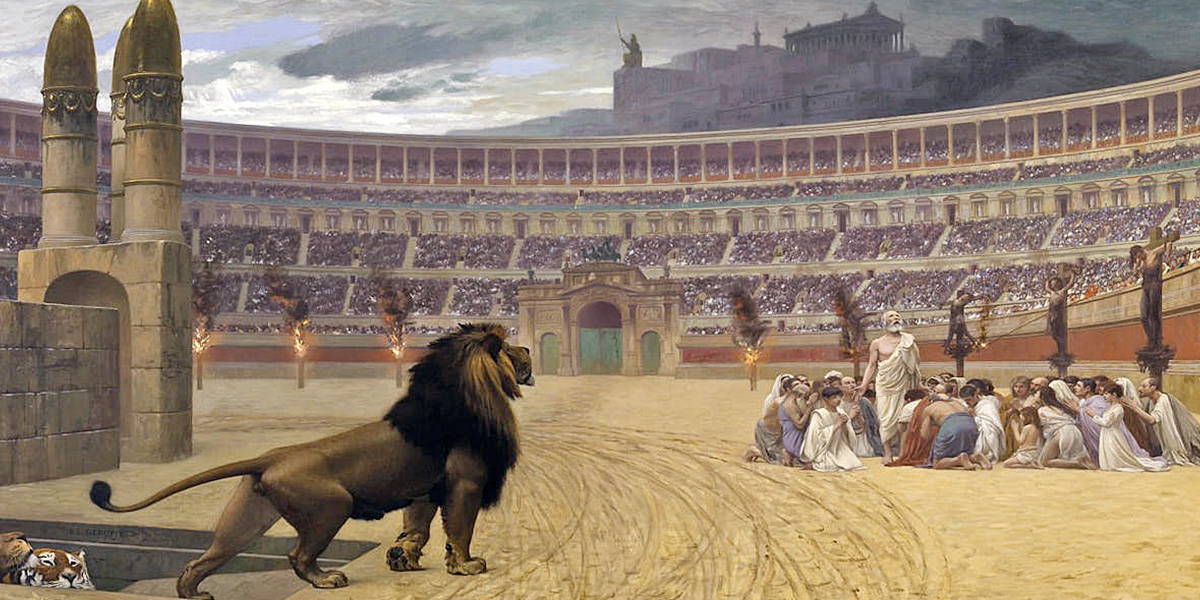
Come back with me to third-century North Africa, where the Christian theologian Tertullian records the story about a soldier. The soldier was part of a legion that was receiving gifts bestowed upon them by the emperor in exchange for their loyalty and allegiance.
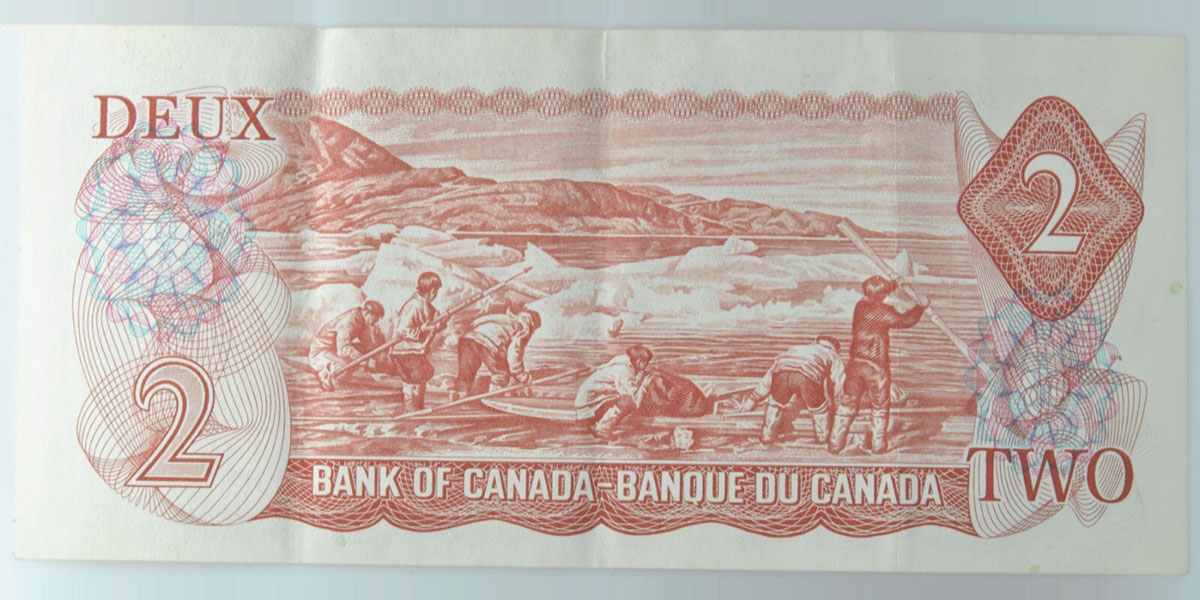
RT. REV. PAUL Idlout, the first Inuit bishop in the world, died on New Year's Eve at the age of 90.
Copyright © 2026 The Anglican Planet. All rights reserved