By K.C. Nwajei
IT IS A sobering season in Nigeria. On Feb. 4, Islamic extremists killed 177 villagers in Kwara State, mostly moderate Muslims, and 35 in Katsina State.
Further, 166 hostages were seized during an evangelical church service on Jan. 18 in Kurmin Wali, Kaduna State, and remained in captivity for the third week, despite reports by some news agencies of their safe return.
Across the West African country’s media outlets—broadcast, newspapers, and social media—news anchors and commentators are lamenting that life has become so cheap, and people are being killed in unprecedented numbers.
Luke Binniyat, former spokesman of the Southern Kaduna People’s Forum, condemned claims that 80 of the Kurmin Wali victims had been released by their captors as “fake news” on his Facebook page.
“The truth is that some Kurmin Wali villagers who were not kidnapped, but had escaped and fled the village during and after the mass abduction, are the ones returning,” he said.
“They are returning based on perceived or real improvement in security around Kurmin Wali. After all, they have nowhere to go, that is why they had to endure 22 previous spates of kidnapping over the past few years. But no single person among the 166 hostages is known to escape as at the time of making this post. Not one.”
He added: “Today marks 15 days of their captivity, yet there is silence from authorities who ought to brief Nigeria on the true situation, even as more kidnappings rage across Kajuru [Local Government Area].
“The press must not be misled into blunting public outrage and the pressure on government to rescue these poor, innocent citizens who must be going through hell right now.”
On Feb. 2 in nearby Taraba State, the Rev. David Tanko, a Catholic priest, was reportedly burned alive in his car by armed bandits. A report monitored on social media said that Tanko was attacked and burned beyond recognition on his way to mediate a dispute between the region’s Tiv and Jukun tribes.
Meanwhile, many have continued to express outrage over the audacity of the terrorists. Many are also questioning why the killings have not received sustained international attention, and why there have been no arrests or prosecutions.
“I hope the government is now happy that there is balancing of the genocide for Christians and Muslims,” said Dr. Ambrose Igboke, a prominent public affairs commentator, about the killings in his native state of Kwara.
“When the U.S. was talking about it last year, the government in its defense said, not only Christians were killed. So maybe the federal government is happy, so that they can have a very good story to tell.”
“The federal government should stop talking about security strategies on the pages of newspapers. We don’t want to hear that you are putting ‘boots on ground,’ we don’t want to hear that you are deploying tactics—whether kinetic or otherwise. Just make sure that you prevent these things from happening, and when and if it happens, make sure you brutally and clinically decimate the people behind these things. The Defense Minister should please concentrate on the task and do less of talking,” he said.
The Supreme Council for Shariah in Nigeria, a prominent conservative Muslim body, has also called for the removal of Professor Joash Amupitan, chairman of Nigeria’s Independent National Election Commission, in response to research the legal scholar recently published about Christian genocide in the country.
The Pentecostal Fellowship of Nigeria issued a statement affirming Amupitan’s leadership: “We must resist the temptation of profiling or judging people based on their religious beliefs or positions. Prof. Amupitan has a right to bear his mind, and this should not be at the cost of his job.”
Shehu Sani, a former senator from the Kaduna Central district and a member of Nigeria’s ruling party, similarly cautioned the Supreme Council on X: “Threats, mistrusts and casting aspersions on the INEC Chairman is unconscionable and not the way to go.”
The exchange about Amupitan’s leadership has sparked intense reactions on social media, with many expressing concerns about the implications of the Supreme Council’s statements on Nigeria’s fragile religious diversity, especially amid the countdown to next year’s general election.
K.C. Nwajei is a freelance journalist based in Nigeria. This article first appeared in The Living Church Magazine and is reprinted with their permission and the author’s.
Editor’s note: On Jan. 15, Religious News Service reported:
¨Nigeria is widely considered one of the most dangerous countries in the world for Christians. The International Society for Civil Liberties and Rule of Law, a religious-violence watchdog group, reports that more than 7,000 Christians were killed and an additional 7,800 abducted because of their faith in the first seven months of 2025 alone.
“The Observatory for Religious Freedom in Africa says nearly 56,000 people died in broader ethnic and religious violence between October 2019 and September 2023, with Christians disproportionately affected.” TAP – RNS
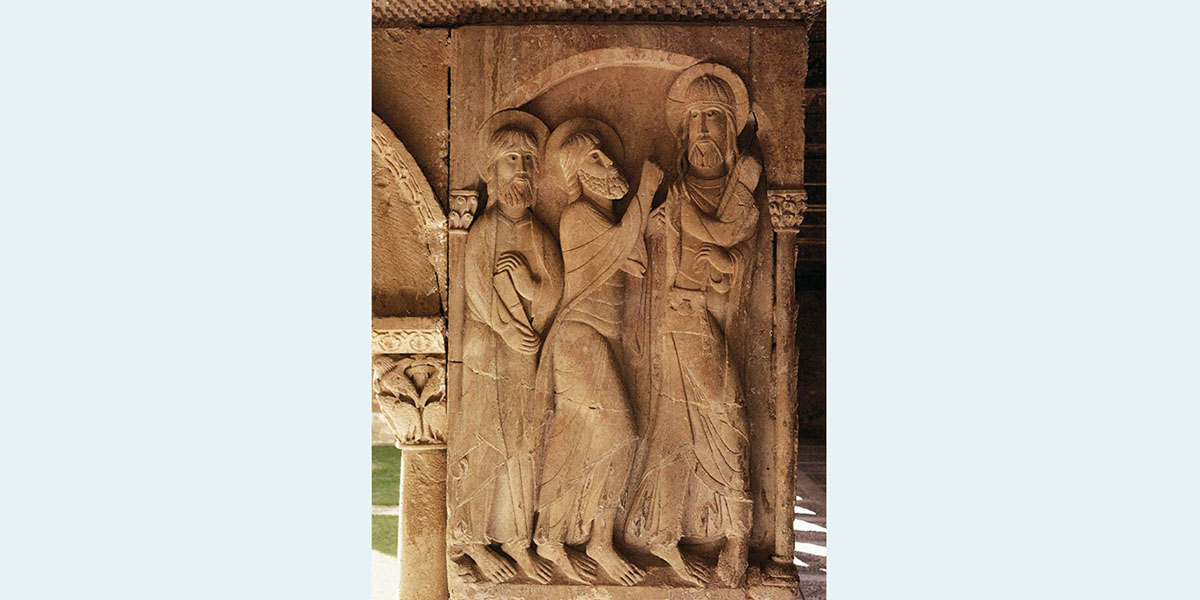
THE PSALMS flow all around us, in the Offices of Morning and Evening Prayer, in the Introits, Graduals, and preparatory prayers of the Eucharist. The Gospels and Epistles are shot through with the Psalms like so many rays of light. They exceed our capacity for attention.
continue reading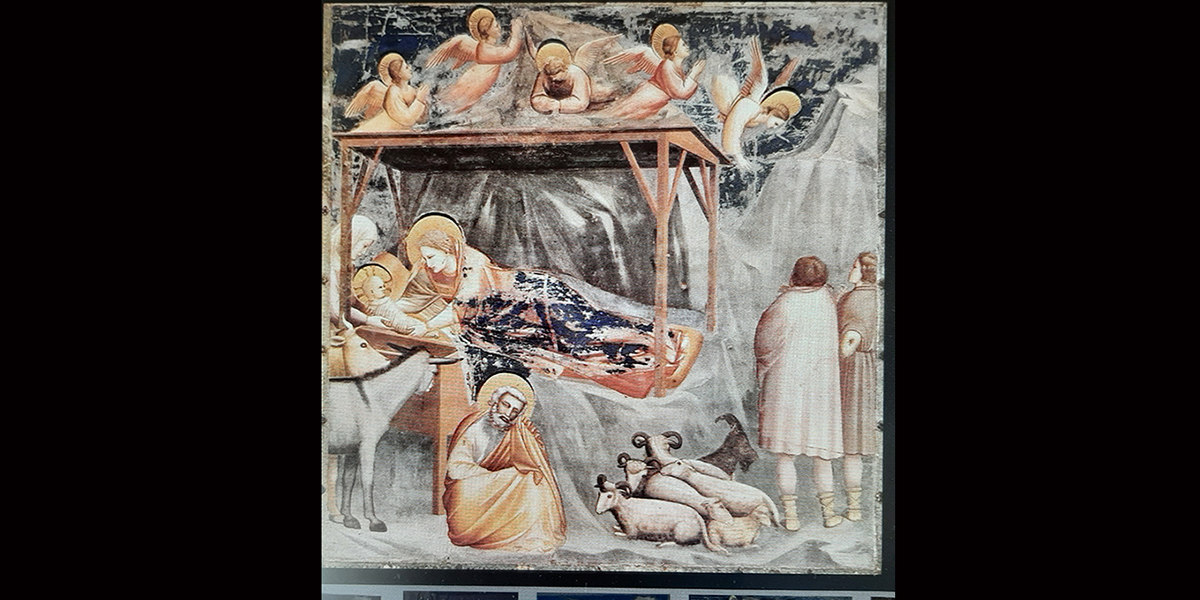
The first Christmas was a night of long journeys, closed doors, and unexpected visitors smelling of woodsmoke and sheep.
continue reading
AS WE WRAP up 2025, the TAP team is so grateful that you are reading our stories, sending us notes of encouragement, and helping us grow. Our switch to digital-only has gone more smoothly than expected, and we are doing our best to respond to those who have questions and concerns. We are excited to launch a digital campaign (soon!) to reach many more readers. And the new focus on our online platforms will allow us to update stories even more frequently than we had been doing in the past. As always, if you have thoughts about how we can better serve and encourage you, please email us at [email protected]. For technical and subscription issues, please email [email protected].
continue reading
IT IS A sobering season in Nigeria. On Feb. 4, Islamic extremists killed 177 villagers in Kwara State, mostly moderate Muslims, and 35 in Katsina State.
THE PSALMS flow all around us, in the Offices of Morning and Evening Prayer, in the Introits, Graduals, and preparatory prayers of the Eucharist. The Gospels and Epistles are shot through with the Psalms like so many rays of light. They exceed our capacity for attention.
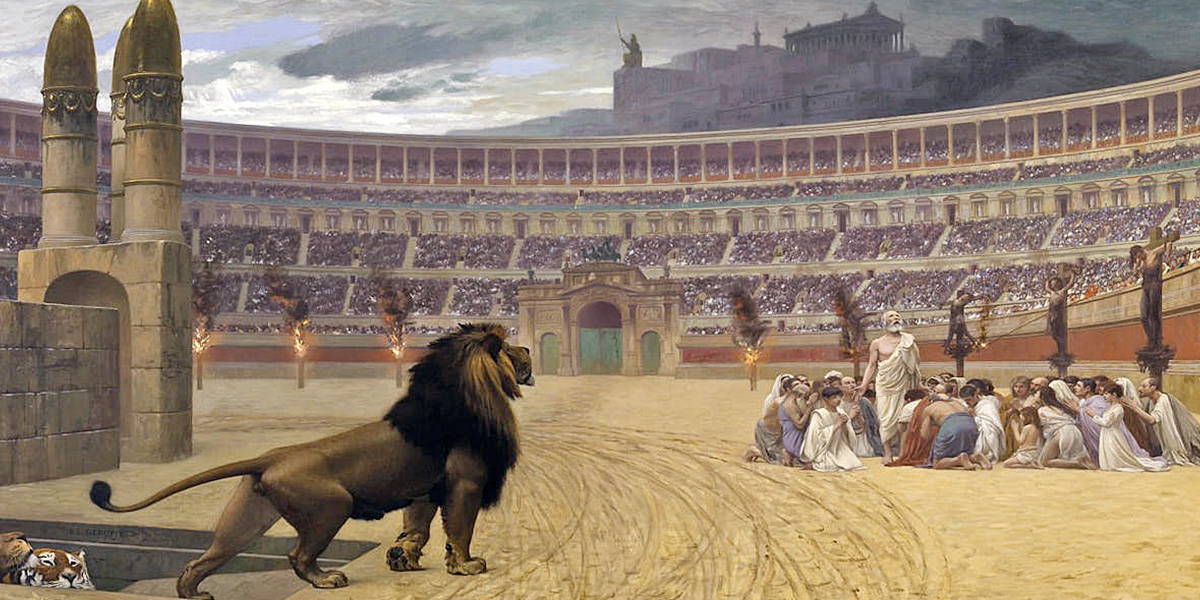
Come back with me to third-century North Africa, where the Christian theologian Tertullian records the story about a soldier. The soldier was part of a legion that was receiving gifts bestowed upon them by the emperor in exchange for their loyalty and allegiance.
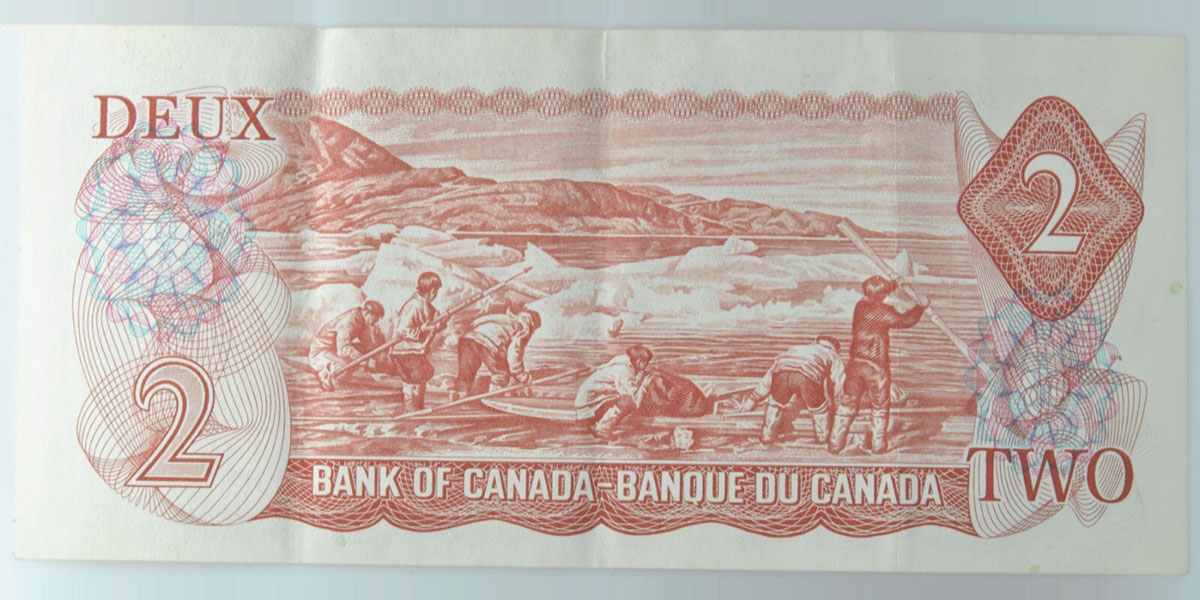
RT. REV. PAUL Idlout, the first Inuit bishop in the world, died on New Year's Eve at the age of 90.
Copyright © 2026 The Anglican Planet. All rights reserved